
Subdivison Services Auckland
Having an experienced Auckland subdivision professional by your side throughout the subdivision process significantly enhances the likelihood of a successful, stress-free project. We understand the council's requirements, know the best contractors for your reports, and can guide you on the most effective sequence of project events.
Subdivision involves legally splitting land or buildings into distinct parts that can then be sold or allocated to different owners. Once your subdivision plan and resource consent are approved, LINZ will examine the legal and technical aspects to ensure compliance. Upon their approval, you'll receive official titles for each individual section within your subdivision
To maximize your property's potential, your subdivision should incorporate housing plans that demonstrate how the homes will align with the sizes and layouts of the new lots. Once titles are issued we can carry the site straight through to foundations and the new build, with one team on the ground.
Steps of Subdivison
Review council property file Review record of title/s Topographical survey Planning assessment Engineering assessment Design risks + opportunities Concept plans
Feasibilty Assessment
Step 1
We recommend clients obtain a financial analysis for the project to ensure its successful completion.
Financial Analysis
Step 2
Geotechnical report Design options + refinement CCTV Confirm designs, planning + engineering
Design and Develop
Step 3
Engineering design + reports, servicing, driveway, detention tanks, earthworks etc Specialist input (ecology, hydrogeology, heritage) Building revision if required Environmental assessment Application to Council
Resouce Consent
Step 4
Provide detailed design to meet Council, Watercare + AT standards Review of design by chartered professional Engineer Submit EPA application
Engineering Plan Approval
Step 5
Project management Engaging civil contractors Connection applications Construction monitoring Inspections + practical completion
Civil and Building
Step 6
Consult with a lawyer to action the application with LINZ
Legal
Step 7
3 Forms of Subdivision
Freehold/Fee Simple
Freehold ownership refers to the complete and indefinite ownership of a property and the land on which it stands, without the restrictions or expirations typical of leasehold properties.
Unit Title
Individual ownership of a unit or apartment within a multi-unit complex, along with shared ownership of common areas such as hallways, elevators, and amenities.
Cross Lease
Multiple people own an undivided share in the land and lease their specific house or unit from the other landowners under a long-term lease.
Who Need Subdivision
Getting the most from your property
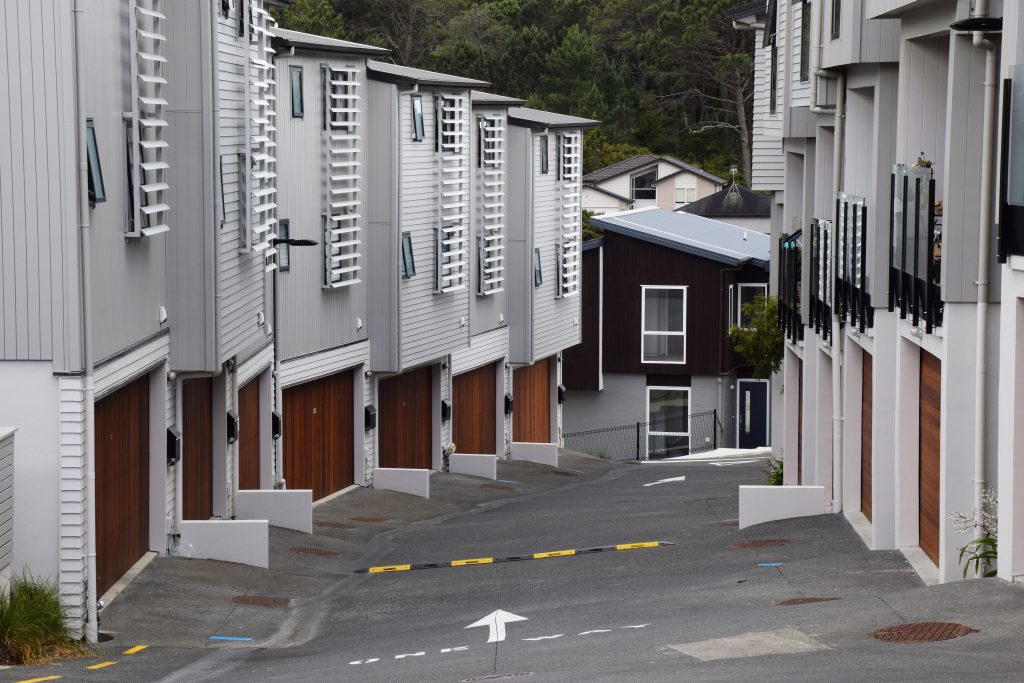
To maximise your property's potential, your subdivision should include housing plans to illustrate how the housing will correspond with the sizes and layouts of the new lots. A well-thought-out subdivision design with housing plans enables the creation of more dwellings and lots compared to a "vacant lot" subdivision that only provides empty sections without housing. While the AUP (Auckland Unitary Plan) sets minimum lot sizes for "vacant lot" subdivisions, it does not specify any minimum lot sizes for subdivisions that include new dwellings simultaneously. This approach by the AUP aims to enhance density through design, permitting smaller lots and denser residential development when housing designs ensure a satisfactory quality of living and built environment for those lots.
Frequently Asked Questions
How much does it cost to subdivide NZ?
Subdivision costs can be strategically phased to make the development more financially manageable. Reach out to us today to get free advice.
What is the minimum size of land to subdivide in NZ?
Key factors influencing minimum lot size include:
Zoning: Different zones (residential, rural, etc.) have different requirements. For example, in urban residential areas, the minimum lot size might be around 300-600 square meters, while in rural areas, it could be much larger, often several hectares.
Local District Plans: Each local council has its own district plan, which outlines the specific requirements for subdivisions in their area. These plans can vary widely from one region to another.
Infrastructure and Services: Availability of infrastructure like roads, water, and sewage can also influence subdivision requirements. Some councils may have more stringent rules if adequate services are not already in place.
To get precise information, Contact us today!
How to check If I can subdivide my property?
Planning Consultant: Consider engaging a planning consultant or surveyor who can assist with navigating the subdivision process, preparing necessary documentation, and ensuring compliance with regulations.
How long does subdivision take?
Simple Subdivisions: Minor subdivisions, like splitting one property into two lots with minimal changes required, might be processed relatively quickly, often within 3 to 6 months.
Complex Subdivisions: Larger or more complex subdivisions, especially those requiring significant infrastructure changes or involving multiple stages, can take a year or more.
Local Council Processing Times:
Application Review: The local council typically has a statutory timeframe to process subdivision applications, which is usually up to 20 working days for initial assessments and up to 70 working days for the entire process, though this can be extended.
Delays: Processing times can be extended due to delays in receiving additional information, consultations with other agencies, or the need for resource consents.
Consent Requirements:
Resource Consents: If your subdivision requires resource consents, this can add additional time. The need for public notification or consultation can also extend the timeframe.
Building and Infrastructure Consents: If infrastructure upgrades or new connections are required, obtaining consents and completing the necessary work can further extend the timeline.
Do I have to pay tax if I subdivide?
If you are subdividing property as part of a business or with the intention of selling for profit, you will likely need to pay tax on any profits made, and GST considerations may apply. It's crucial to seek professional advice to understand your specific tax obligations and ensure you comply with all relevant tax laws.